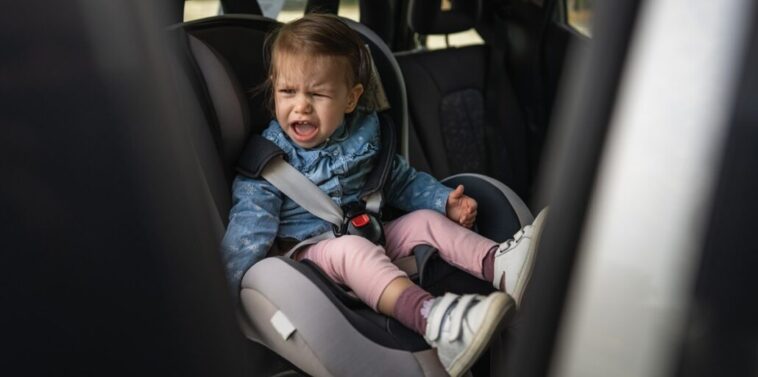
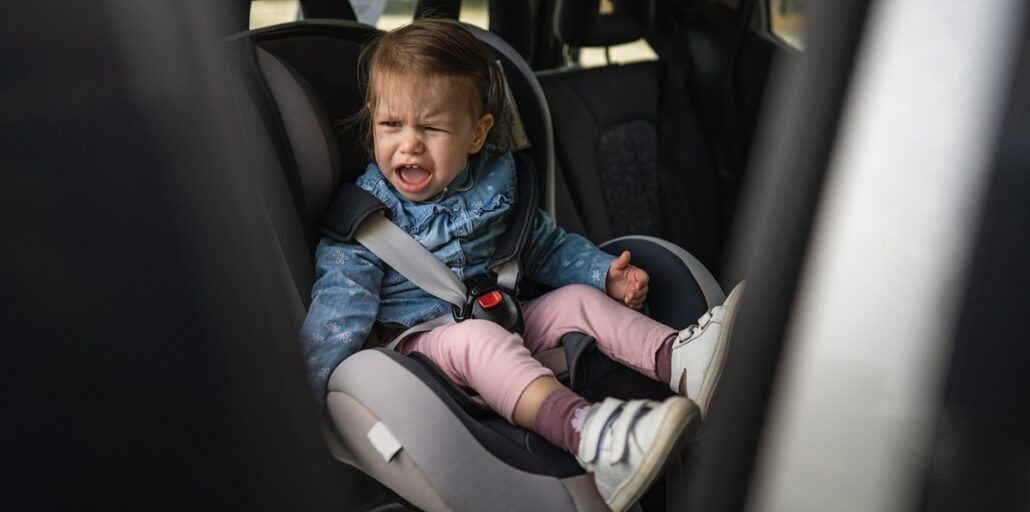
Child Safety in Cars Under Arizona Law: A Closer Look
As summer temperatures soar and the risk of overheating intensifies, Arizona’s sun-baked climate presents unique challenges for families. Leaving a child unattended in a vehicle—whether for a few moments or longer—can rapidly transform a momentary lapse in judgment into a life-altering incident. This opinion editorial examines the legal issues, the tricky parts of child endangerment laws, and the various perspectives on what constitutes safe behavior for parents and guardians in Arizona.
At the heart of this debate is ARS §13-3623, the statute under which prosecutors may charge a parent or guardian for child abuse if leaving a child in a car creates a substantial risk of harm. While the law does not explicitly mention the simple act of leaving a child in the car, Arizona authorities routinely invoke this statute when the child’s welfare is at stake. This editorial takes a closer look at all the tangled issues, offering insights into the critical, essential points for understanding the law and its implications.
Understanding the Legal Framework: The Fine Points of ARS §13-3623
The Arizona statute ARS §13-3623 outlines conditions under which a caretaker can be charged with child abuse. Essentially, if a child is placed in a situation where their well-being is at imminent risk—even if unintentional—the law allows law enforcement to act. Given the state’s scorching climate, the possibility of a parked vehicle becoming a death trap is never far from consideration. The legal framework is filled with subtle parts that sometimes seem confusing, particularly when determining whether a parent’s actions were careless or simply a misunderstood moment of oversight.
Arizona law hinges on the idea that even a brief absence, if it puts the child in a nerve-racking, dangerous circumstance, can result in severe charges. The statute is designed to avert tragedies by holding caregivers accountable for what might appear to be minor lapses but quickly escalate into major risks.
Reasons Why Leaving a Child Alone in a Car is Risky
A single minute in a parked car during the unforgiving Arizona heat can lead to dramatic temperature increases. The vehicle, bathed in relentless sunshine, can warm up by as much as 20 degrees or more in just 10 minutes. On a day when the temperature outside is a moderate 100 degrees, the interior of a car can rapidly exceed 120 degrees. These conditions illustrate why many deem it simply too risky to leave a child alone in a car—even for a minute.
When parents or guardians decide to run a quick errand without their child, they might not fully account for the potential risks. Factors that contribute to the danger include:
- Rapid temperature escalation: Cars can heat up unexpectedly fast, creating an unsafe environment.
- Risk of heatstroke: A child’s tiny body cannot regulate temperature as well as an adult’s, making them particularly vulnerable to heatstroke.
- Accidental injury risks: Leaving a car running or in gear may result in accidental movement, which could lead to injury.
- Potential for kidnapping: An unattended vehicle presents an opportunity for someone with harmful intentions.
- Risk of suffocation: Inadequate airflow or mechanical failures can further increase the hazard.
All of these factors combine to create a scenario rife with hidden complexities. The fine details—ranging from how long the child is left unattended to the specific conditions outside—can ultimately determine whether a case is treated as a minor misstep or a serious felony.
Legal Consequences: The Scales of Justice in Child Endangerment Cases
If prosecutors demonstrate that a child’s safety was compromised, charges under ARS §13-3623 can escalate quickly. The penalties vary depending on the specific circumstances, such as whether the child sustained an injury or whether evidence suggests a pattern of recklessness. It is both a nerve-racking and intimidating prospect for any parent or guardian to face criminal charges for what might have been a momentary lapse. The legal system takes a strict view on any perceived risk, regardless of the actual harm caused.
Below is a table summarizing potential charges and penalties:
| Type of Offense | Classification | Possible Penalties | Relevant Statute |
|---|---|---|---|
| Endangering a child without injury | Class 1 Misdemeanor | Up to 6 months in jail, fines up to $2,500, probation, parenting classes | ARS §13-3623(B)(3) |
| Substantial risk of imminent death with no injury | Class 6 Felony | Up to 18 months in prison, fines up to $150,000, DCS supervision | ARS §13-3623(B)(2) |
| Child suffers injury due to neglect or heat exposure | Class 3 Felony | 2.5–7 years in prison, possible loss of custody, lifelong felony record | ARS §13-3623(A)(2) |
| Child dies as a result of being left in a vehicle | Class 2 Felony | 4–10 years in prison, permanent loss of parental rights | ARS §13-3623(A)(1) |
This table underscores the severity of the situation. As relevant as these details are, the law recognizes that not all cases are identical, and the specific circumstances can greatly influence the outcome. Even a misstep that initially seems minor can lead to severe and lasting legal repercussions.
Examining the Tricky Parts: When Situations Become Complex
The legal issue of leaving a child in a car is full of problems. One of the most challenging aspects for those facing charges is that intent plays a crucial role in the legal process. Arizona law requires evidence that the person knowingly—or recklessly—placed the child in a risky situation. For instance, if a parent ran into a store for a brief moment with the child in the car without the intention of causing harm, their actions might be seen as an honest mistake rather than a deliberate attempt to endanger a life.
However, it is rarely that simple. Law enforcement and prosecutors are under pressure to ensure that children are protected above all else, which can sometimes lead to charges even if the actions were unintentional. This legal gray area is one of the more complicated pieces of the debate and is a source of ongoing controversy among legal experts and child safety advocates alike.
Understanding the Subtle Details of Child Endangerment Laws
The overlap between mitigating circumstances and legal responsibility is where the little details become key. For example, consider a situation where a caregiver leaves the car for what seems like a trivial task—a quick trip to a restroom or a pause to grab a shopping cart. Even if the child is unwittingly safe for that short period, the risk remains, and the law has little tolerance for even slight differences when child safety is involved.
This situation demonstrates how fine shades in fact patterns can mean the difference between being charged with a misdemeanor or facing a felony charge. The distinction lies in determining if the caregiver acted in a way that created a substantial risk of harm. Factors include:
- The duration of the unsupervised time
- The prevailing weather conditions
- Whether the car was locked or if there were other supervising adults nearby
- The age and vulnerability of the child
Each of these factors is a subtle detail that legal advocates need to consider. They are important not only in understanding the current legal climate but also in shaping future interpretations of the law.
Different Perspectives: Is a Short Absence Ever Truly Safe?
There is a heated debate about whether any period of unsupervised time in a vehicle can be considered safe for a child. While some critics argue that parents should always maintain constant supervision, others insist that brief absences, under controlled conditions, should not lead to criminal charges if no harm comes to the child.
This point of contention touches on the fundamental question: What exactly constitutes endangerment? For some, the risk is inherent regardless of the duration, while for others, context matters significantly. The danger lies in a one-size-fits-all approach where every lapse, however momentary, might be judged too harshly in the eyes of the law.
At the end of the day, the critical issue is that both child safety and parental discretion must be balanced under the legal framework. The current system demands that even a fleeting oversight can lead to a criminal record—a reality that many view as overly severe and out of proportion to the actual risk involved.
Real Life Scenarios: Lessons from Arizona Cases
An examination of recent cases in Maricopa County reveals the fine points and twisted paths these cases can take. Many parents have found themselves in legal battles after a minor lapse in judgment resulted in charges of child endangerment. These stories serve as cautionary tales that highlight how the law is applied in real life.
For example, consider the case of a parent who left their toddler in a parked car while running a quick errand. Despite the absence of any injury, a vigilant bystander called the authorities, leading to an investigation. Although the parent maintained that the absence was brief and under controlled circumstances, the legal machinery did not always weigh in the context favorably. Such cases underscore the need for parents to be exceedingly careful in even the most seemingly trivial circumstances.
These real-world examples remind us that the stakes are incredibly high. Legal outcomes can involve anything from a misdemeanor charge with probation and parenting classes to a felony resulting in prison time or even loss of parental rights. In an environment where one small mistake can spiral into a lifetime of legal and personal consequences, awareness and prevention become paramount.
Effective Defense Strategies in Child Endangerment Cases
For those who face charges under ARS §13-3623, having a robust defense strategy is essential. Navigating these charges is not just about contesting the facts but also about addressing the fine details and subtle parts that led to the charge in the first place. Experienced attorneys can often highlight factors that mitigate what might otherwise be seen as clear-cut negligence.
Some common defenses include:
- Lack of Intent: Arguing that the parent’s actions were accidental, without any intention to create harm.
- Brief or Reasonable Absence: Demonstrating that the time the child was left alone was minimal and did not realistically put the child at risk.
- Mistaken Identity: In cases where witnesses have misidentified the responsible party, evidence such as surveillance footage may exonerate the accused.
- Emergency Circumstances: Highlighting that the caregiver had to attend to an urgent situation, which inadvertently led to a temporary lapse in supervision.
- Procedural or Constitutional Errors: If police failed to follow proper protocol or violated the accused’s rights, such errors can lead to evidence being suppressed or the case being dismissed altogether.
Each of these defenses deals with the tangled issues at the heart of child endangerment cases. The specific defense strategy depends heavily on the circumstances surrounding the incident, but a knowledgeable attorney can often work with the little twists to build a compelling argument in favor of the accused.
Steps to Take If You Find a Child Alone in a Car
Beyond defending against charges, there is also the practical issue of what to do if you encounter a situation where a child is left unattended in a vehicle. This scenario is full of pressure and is a common occurrence during the hot months in Arizona. If you find yourself witnessing such a situation, here are some steps to consider:
- Call 911 Immediately: Prompt action is essential. Provide the dispatcher with the exact location and a description of the vehicle.
- Assess the Situation Safely: If the car is unlocked and it appears that the child is in immediate distress, you may cautiously attempt to open the door to let fresh air in. However, it is important to refrain from breaking the window unless absolutely necessary.
- Wait for First Responders: Stand by to provide additional information and support to law enforcement or emergency personnel as they arrive.
Arizona law does not fully protect good Samaritans who take drastic actions, so it is critical to act only if you are absolutely sure that the child is in imminent danger. In many cases, if your intervention is clearly in good faith and aimed at preventing harm, law enforcement will appreciate your cooperation, even if the situation was misinterpreted at first.
Community Concerns and the Broader Debate on Child Supervision
The discussion surrounding leaving a child alone in a car goes beyond just legal implications—it delves into broader community values and parental responsibilities. While proponents of stringent enforcement emphasize that the primary goal is to protect children from unavoidable harm, others caution that overly aggressive prosecution can inadvertently penalize parents for minor oversights.
This debate contains many twists and turns:
- Public Safety versus Parental Judgment: There is a fine line between protecting children at all costs and allowing parents the discretion to manage everyday challenges.
- Enforcement Consistency: Critics point out that enforcement can sometimes be inconsistent, with similar cases receiving dramatically different outcomes.
- Impact on Families: Even a minor charge can have long-lasting implications on a family’s reputation and future, affecting everything from employment prospects to personal relationships.
Ultimately, balancing these perspectives is essential for crafting laws that protect children without unnecessarily penalizing genuine, well-intentioned parents. The conversation remains full of problems and slightly contentious, with advocates on both sides pushing for adjustments to the legal framework that better address the real-world context of parenting in a harsh climate.
Recommendations for Parents: How to Avoid Legal Pitfalls
For parents and caregivers living in Arizona, the path forward requires careful consideration of both the practical and legal aspects of child supervision. Here are several key recommendations designed to help steer through this challenging legal terrain:
- Constant Supervision: Whenever possible, ensure that children are not left alone in vehicles, even momentarily. This is the most straightforward way to avoid creating any risk.
- Plan Ahead: If you must run an errand, consider alternatives such as bringing the child with you, asking someone to watch them, or delaying the errand until you can fully supervise the child.
- Educate Yourself: Familiarize yourself with the specifics of ARS §13-3623 and any local guidelines provided by child safety authorities. Understanding the little details can make a big difference in how you manage risky situations.
- Consult Legal Advice: If you ever find yourself unsure about the safety of your actions or if an incident occurs, seek prompt advice from a legal professional with experience in child endangerment cases.
Taking these precautions is critical not just to avoid legal consequences, but more importantly, to protect your child’s health and wellbeing. Even a momentary lapse in judgment can have overwhelming repercussions, so every precaution counts.
How Legal Experts are Working to Shape Fairer Enforcement
Within the legal community, there is a growing movement aimed at refining the way child endangerment laws are applied. Many defense attorneys argue that some of the current measures are overly harsh and do not adequately account for the context of each individual case. They assert that a balanced approach, which takes into account the accidental or brief nature of many incidents, would lead to a fairer outcome for families in distress.
Key suggestions from experts include:
- Introducing Clear Guidelines: Clarifying what constitutes a “brief” absence versus a significant lapse in supervision would help law enforcement and prosecutors determine appropriate charges.
- Emphasizing Intent: Greater emphasis on whether the caregiver intended to create a dangerous situation could help differentiate between reckless negligence and an honest mistake.
- Providing Alternatives to Criminal Charges: In cases where no harm has occurred, alternative measures such as mandatory parenting classes or counseling should be considered instead of a criminal record.
- Consistency in Enforcement: Ensuring that similar cases receive similar treatment can protect parents from unreasonable legal disparities.
These recommendations reflect a broader desire within the legal system to work through the confusing bits and find ways to maintain child safety without unduly punishing minor lapses. Achieving this balance will require ongoing dialogue among lawmakers, child safety advocates, and legal professionals who understand both the key legal aspects and the real-world challenges that families face.
Looking to the Future: Reforming Child Endangerment Laws in a Changing Climate
As our understanding of child safety evolves, so too should the laws designed to protect them. The climate in Arizona, with its intense heat and rapid temperature changes, presents unique challenges that necessitate a fresh look at existing regulations. Lawmakers are increasingly aware of the need to distinguish between intentional neglect and an accidental, brief lapse in judgment.
The conversation moving forward will undoubtedly involve:
- Revisiting Statutory Language: There is a call among some legal circles to adjust the statutory language of ARS §13-3623, so that it more precisely addresses the realities of parenting in modern, urban settings with extreme weather conditions.
- Enhancing Public Education: Parents must be better informed about the critical risks of leaving a child unattended—during both hot summer days and cooler times of the year—and the legal implications of such actions.
- Leveraging Technology: Modern safety devices and apps that monitor car interior temperatures could be integrated into a broader strategy for preventing tragedies, offering a technological complement to legal safeguards.
- Encouraging Community Support: Building stronger community networks to help parents who face emergencies can reduce the likelihood that someone will ever have to leave their child unattended.
This forward-thinking approach acknowledges that while laws are meant to protect, they must also be adaptable to the everyday realities of those they govern. Striking this balance is essential for ensuring that both child safety and parental rights are respected.
Concluding Thoughts: Balancing Protection and Parental Freedom
The debate over leaving a child alone in a car in Arizona is one that brings together public safety, parental responsibility, and the legal system in an often tense and challenging relationship. On one hand, the law is crystal clear about its intent to protect children from the very real dangers of extreme temperatures and unsupervised risks. On the other hand, parents find themselves navigating a landscape filled with tricky parts and unexpected legal twists that can transform a moment of oversight into a life-altering legal predicament.
Ultimately, the key to preventing tragedies lies in constant vigilance and a careful understanding of the legal environment. Both parents and caregivers must work to figure a path that prioritizes the wellbeing of their children while also recognizing the potential consequences of even the smallest missteps. For those facing charges, it is reassuring to know that experienced legal professionals are available to dig into every little detail of their case, helping to secure a fair outcome based on context and intent rather than blanket assumptions.
This conversation is ongoing and every parent should be aware that the safety of their child is a non-negotiable duty—one that demands both practical mindfulness and a clear awareness of the legal stakes. As communities rally for reforms and clearer guidelines, the current legal standards serve as both a warning and a guide: every decision counts, every moment matters, and protecting our children must always come first.
As we move forward, let us encourage dialogues that balance protective measures with realistic expectations for parental conduct. After all, ensuring the safety of our youngest citizens is a responsibility that affects us all—one that demands thoughtful reflection on both the law and our everyday actions.
Read more about this topic at https://arjashahlaw.com/criminal-defense/child-alone-in-car-endangerment/
Related articles you might like
Connecticut Law About Child Abuse and Neglect
Connecticut Child Endangerment Lawyer | Risk of Injury …